1 column header section
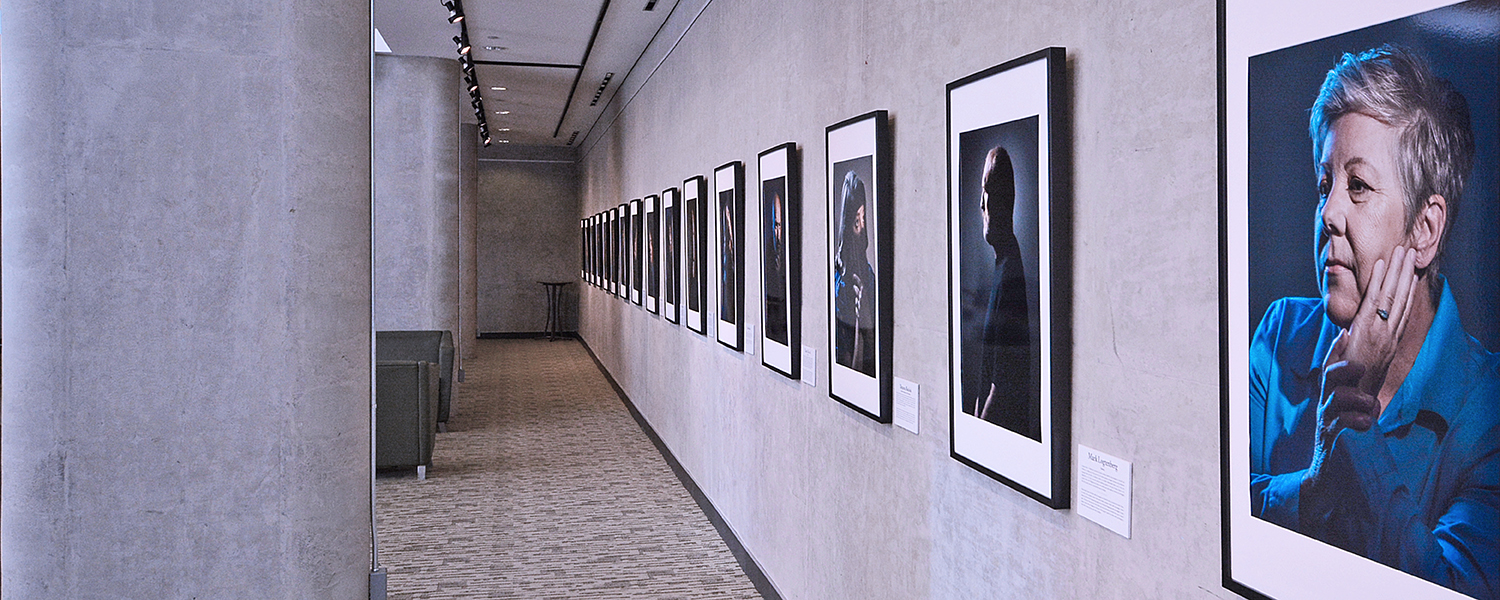
LaLande + Doyle exhibition space
1 column container section
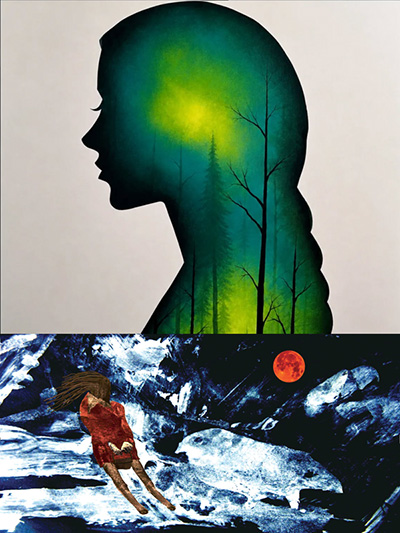
Decolonize This Place
September 21 to November 13
Vernissage: Friday, October 2 from 6 to 8 pm
Beading workshop: Saturday, November 14 from 2 to 4 pm
Decolonize This Place brings together Indigenous artists from Kitigan Zibi and Timiskaming First Nations to explore and challenge the boundaries between what Western institutions have historically categorized as “Fine Arts” and “Crafts.” Through a decolonial lens, the exhibition questions hierarchies that have often separated Indigenous cultural and artistic practices from dominant definitions of contemporary art.
Featuring beadwork, moccasins, digital illustration, painting, sculpture, traditional tools, and other forms of artistic expression, the exhibition presents these practices alongside one another without imposing colonial distinctions of value or artistic legitimacy. Instead, the works highlight the relationships between art, culture, identity, land, knowledge, and community. The exhibition recognizes Indigenous artistic practices as living and evolving forms of expression.
Traditional knowledge and techniques exist in conversation with contemporary materials, experiences, and approaches, demonstrating cultural continuity while resisting expectations of what Indigenous art should look like. By centering the voices and practices of Indigenous artists, Decolonize This Place seeks to reclaim institutional space for Indigenous expression and resurgence.
The exhibition invites audiences to reconsider established artistic categories and engage with art as a space for cultural revitalization, dialogue, self-determination, and cross-cultural understanding.
Biographies
Stephanie Tenasco
Stephanie Tenasco is a beadwork artist and Algonquin language advocate from Kitigan Zibi. Her practice connects ancestral traditions with contemporary expression while supporting the revitalization of Algonquin language and culture.
John Tenasco
John Tenasco is a contemporary Algonquin artist from Kitigan Zibi whose paintings combine abstraction and realism. His vibrant work explores spirituality, the natural world, and relationships between Indigenous peoples and the land.
Craig Commanda
Craig Commanda is an Anishinaabe multidisciplinary artist from Kitigan Zibi working across beadwork, film, music, poetry, photography, bronze, traditional arts, and digital fabrication. His practice brings ancestral knowledge into dialogue with contemporary materials and technologies.
Wayne McKenzie
Wayne McKenzie is an Algonquin/Cree painter from Timiskaming First Nation. A self-taught artist, his bold and colourful work draws upon First Nations teachings and uses art as a means of sharing knowledge and Anishnabe ways of life.
Shawnesia Ottawa
Shawnesia Ottawa is an Anishinabeikwe traditional and contemporary artist whose practice includes beadwork, quillwork, birchbark, carving, leatherwork, regalia-making, and painting. Her work connects cultural teachings, community stories, and contemporary expression.
Simon Brascoupé
Simon Brascoupé is an Anishinabe artist whose community-engaged practice explores relationships between people, culture, and the land. His work considers art as a means of reconnecting people with the natural world and their responsibilities to it.
Jay Odjick
Jay Odjick is an artist and writer from Kitigan Zibi whose practice includes digital illustration, comics, animation, and children’s literature. His work brings contemporary Indigenous characters, stories, and experiences to audiences across generations.
Emily Akikodjiwan Brascoupé-Hoefler
Emily Akikodjiwan Brascoupé-Hoefler is a mixed-media artist and educator from Kitigan Zibi. Inspired by family, community teachings, and the land, her practice reclaims cultural traditions while creating space for healing and greater First Nations representation.
Claude Latour
Claude Latour is a multidisciplinary artist and member of Kitigan Zibi Anishinabeg, Bear Clan, working across painting, sculpture, video, photography, and mixed media. His practice is deeply influenced by Algonquin culture, identity, and lived experience.
Tammy Pizendewatch Twashi
Tammy Pizendewatch Twashi is an Anishinabe hide tanner and artisan from Kitigan Zibi. Her practice is grounded in land-based knowledge and family teachings, emphasizing cultural transmission, patience, respect, and sharing.
Alejandro Salgado Cendales – Curator
Alejandro Salgado Cendales is a Colombian Canadian artist, curator, and arts administrator with over a decade of experience in socially engaged and community-based arts. Founder and Executive Director of MAC-CAM, his practice focuses on cultural equity, community participation, and creating opportunities for artists historically underrepresented within arts institutions.
Multicultural Artists’ Coalition (MAC-CAM)
The Multicultural Artists’ Coalition (MAC-CAM) is an Ottawa-based nonprofit arts organization shaped by newcomer, Indigenous, Black, and People of Colour artists and arts administrators. Through exhibitions, showcases, workshops, residencies, and professional development, MAC-CAM works to remove systemic barriers, support artistic self-determination, and foster cultural exchange.
Beading Workshop with Stephanie Tenasco
November 14 | 2 to 4 PM
Fee: $25 per person | TICKETS
Join Algonquin beadwork artist and language advocate Stephanie Tenasco for a hands-on introduction to the art of beading. Open to the general public and suitable for beginners, participants will learn basic beading techniques while creating a small piece to take home.
Beyond learning a new skill, this workshop offers an opportunity to deepen participants’ understanding and appreciation of beadwork as a living Indigenous art practice, connecting creativity, culture, knowledge, and community.
More information and registration: www.mac-cam.ca
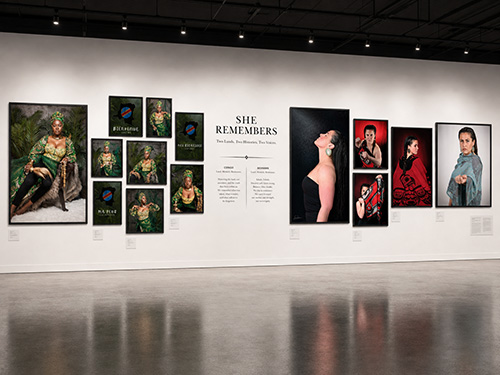
Polyphonie of Muses - curated by Miriam Faraja and photographed by Jean Stevenson Louis
August 17 to September 11
Vernissage: Friday, August 28 at 6 pm
What if art could speak back, make you feel, disturb your peace and undo what you thought was truth?
Polyphonie of Muses is a bilingual photographic exhibition exploring intersectional womanhood, identity, resistance and diasporic memory.
The exhibition reclaims the idea of the muse, moving away from the traditional image of a passive woman observed or interpreted by others. Here, each muse becomes a force of creation, testimony and resistance. Each woman carries a distinct history shaped by her culture, identity, memories, vulnerabilities and personal transformation.
The term “polyphony” refers to several independent voices existing together without losing their individuality. The women represented come from different cultures, generations and lived realities. Their stories are deeply personal, yet they meet through shared experiences of womanhood, belonging, resilience, memory, vulnerability and survival.
Through large-format photographic portraits, poetic captions and interactive QR code audio narratives, the exhibition allows each muse to speak in her own voice. Audiences are invited not only to look at the portraits, but also to listen to the stories, emotions and reflections held within them.
Rooted in a multicultural and decolonial framework, Polyphonie of Muses explores intersectional lived experiences, including the hypersexualization of Black women, gender-based violence in conflict zones, cultural identity, resilience and diasporic memory. The exhibition also incorporates symbolic references to Mohawk worldviews, contributing to a broader reflection on community, memory, land and interconnectedness.
Ultimately, Polyphonie of Muses reveals both the singularity of each woman and the invisible threads that connect women across cultures, generations and lived experiences.
Polyphonie of Muses does not ask to be viewed. It demands to be witnessed.
The exhibition was first presented during International Women’s Rights Month at Saint Paul University and was later featured through local community arts programming, including FAB Fest.
Biographies
Miriam Faraja is an Ottawa-based curator, creative director and community advocate whose work explores identity, social justice, cultural memory and the power of storytelling. Through multidisciplinary artistic and community initiatives, she creates spaces where complex and historically overlooked experiences can be represented with dignity, depth and agency.
Jean Stevenson Louis is an Ottawa-based photographer and the founder of Sam Image Inc. His photographic practice centres authentic human experiences, emotional storytelling and the preservation of meaningful moments. Through portraiture, he captures the individuality, vulnerability and strength of each person photographed.
Together, Miriam and Jean combine curatorial storytelling, photography and lived experience to create work that is intimate, socially engaged and grounded in human connection.